Building Materials and Climate – How Weather Affects Performance Over Time

Building Materials and Climate – How Weather Affects Performance Over Time
When we design and build homes, most people focus on style, function, and cost—but rarely on how materials actually perform in the American climate over time. From humid summers in the South to freezing winters in the Midwest and dry heat in the Southwest, weather puts every building material to the test. Understanding how climate affects performance is key to building homes that last and remain energy-efficient in a changing environment.
Wood – Natural, Beautiful, and Sensitive to Moisture
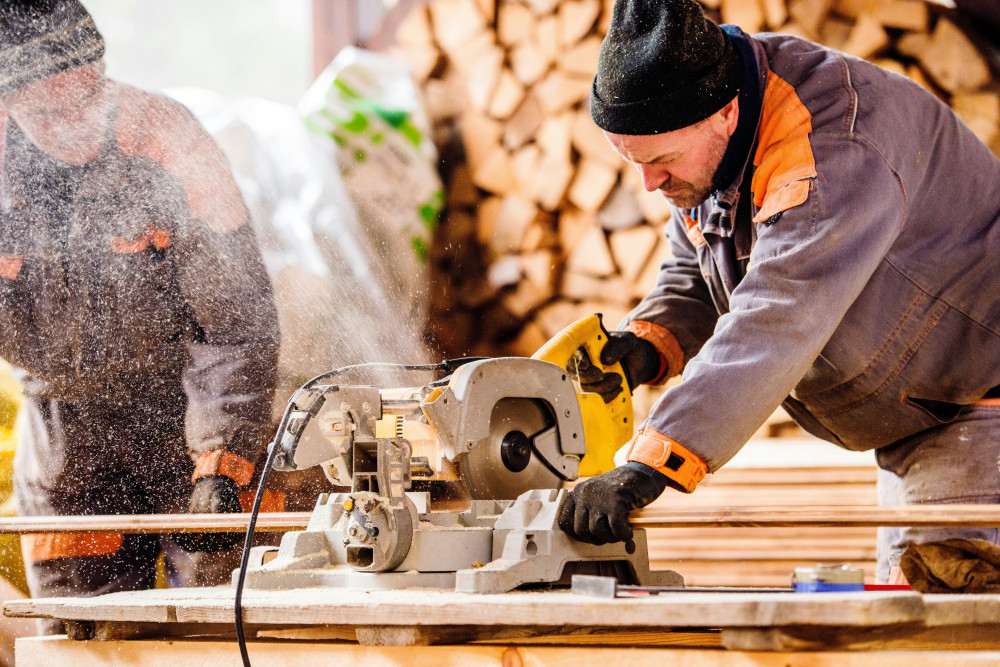
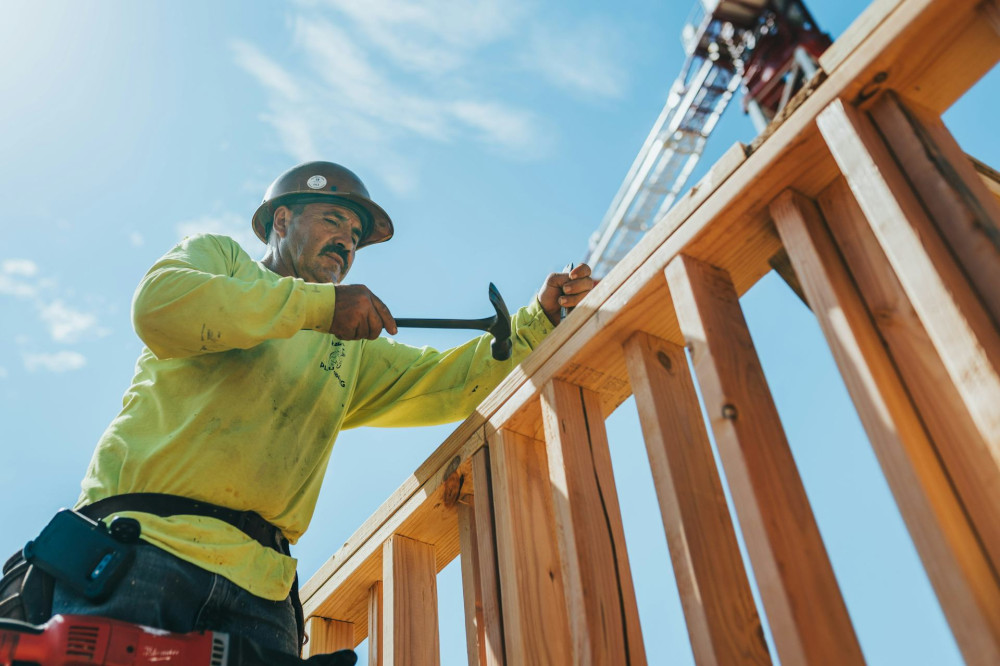
Wood remains one of the most popular building materials in the U.S., valued for its warmth, renewability, and relatively low carbon footprint. But as an organic material, wood reacts strongly to changes in humidity and temperature.
In humid regions like the Southeast, wood absorbs moisture and expands; in dry climates, it releases moisture and contracts. Over time, this movement can cause warping, cracking, or even rot if the wood isn’t properly sealed and ventilated. Pressure-treated lumber and naturally durable species like cedar and redwood perform better outdoors, but even they require regular maintenance. Protective coatings, proper flashing, and good airflow are essential to keep wood structures sound for decades.
Masonry and Concrete – Durable but Not Invincible
Brick, stone, and concrete are often associated with strength and permanence, yet they too are affected by weather. In northern states, freeze-thaw cycles can cause moisture trapped in small cracks to expand, leading to spalling and surface damage. In coastal areas, salt-laden air accelerates corrosion in reinforced concrete, weakening the steel inside.
Concrete also undergoes carbonation—a slow chemical reaction with carbon dioxide that can reduce the protection around embedded steel. To extend the life of masonry and concrete, builders rely on proper drainage, high-quality sealants, and regular inspections. Preventing water intrusion is the single most effective way to preserve these materials.
Metal – Strong but Vulnerable to Corrosion
Steel and aluminum are increasingly used in modern American architecture for their strength and sleek appearance. However, without protection, metal can corrode quickly, especially in coastal or industrial environments where salt and pollutants are present.
Galvanized coatings, powder finishes, and anodized surfaces can dramatically extend a metal’s lifespan. It’s also important to avoid direct contact between dissimilar metals, which can trigger galvanic corrosion. With proper detailing and maintenance, metal components can last for generations, but neglect can lead to costly repairs in just a few years.
Insulation and Moisture – Hidden Challenges
Moisture is one of the most persistent threats to building performance. Insulation materials such as fiberglass, cellulose, and mineral wool lose effectiveness when wet and can harbor mold if not allowed to dry. In regions experiencing heavier rainfall and higher humidity due to climate change, moisture control is becoming a top design priority.
Effective vapor barriers, continuous air sealing, and balanced ventilation systems are essential. Newer materials like spray foam and natural fiber insulation (such as hemp or wood fiber) are gaining popularity for their ability to manage moisture while maintaining thermal performance. A well-designed wall system should not only keep heat in but also allow trapped moisture to escape safely.
Climate Change Brings New Demands
Across the U.S., climate extremes are becoming more common—longer heat waves, stronger storms, and unpredictable freeze-thaw cycles. Materials that once lasted 50 years may now degrade faster if not chosen and installed with these new realities in mind.
The construction industry is responding with life-cycle assessments (LCA) and environmental product declarations (EPD) to evaluate both durability and carbon impact. The goal is to select materials that balance longevity, performance, and sustainability. Building for the future means designing for resilience as much as for efficiency.
Maintenance – The Key to Longevity
No matter the material, maintenance is what ultimately determines how long a building lasts. Regular inspections, cleaning, and timely repairs prevent small issues from becoming major structural problems. A well-maintained home not only lasts longer but also retains its value and energy efficiency.
The rule of thumb is simple: protect materials from moisture, sunlight, and temperature extremes, and they’ll serve you well for decades. The longer materials last, the smaller their environmental footprint becomes over their lifetime.
Læs også:
The Future of Building – Resilient and Sustainable
Tomorrow’s buildings must withstand a climate in flux. That means using materials that are durable, recyclable, and produced with minimal environmental impact. Combining traditional materials like wood and masonry with modern technologies—such as smart sensors that monitor humidity or adaptive facades that respond to temperature—can create structures that work with the climate rather than against it.
Building with the climate in mind isn’t just about reducing emissions; it’s about ensuring that our homes remain safe, comfortable, and resilient—year after year, no matter what the weather brings.
Læs også: