Avoid Hidden Moisture: Check Behind Your Cabinets and Appliances

Avoid Hidden Moisture: Check Behind Your Cabinets and Appliances
Moisture problems in the home are among the most overlooked causes of property damage and poor indoor air quality. Often, the issue isn’t discovered until there are visible stains, mold, or a musty odor—and by then, the damage can be extensive. One of the biggest culprits is hidden moisture that collects behind cabinets, kitchen units, and large appliances. Here’s what you need to know to detect and prevent moisture before it turns into a costly problem.
Why Moisture Builds Up Behind Cabinets and Appliances
Behind cabinets and appliances, air circulation is limited. When warm, humid air from cooking, showering, or laundry meets cooler surfaces, condensation can form. Over time, this can lead to water damage, mold growth, and even structural decay in walls and floors.
Kitchens, bathrooms, laundry rooms, and basements are especially vulnerable. A small leak from a loose hose or a dripping valve can go unnoticed for months because the area is hidden from view. Even minor condensation can create the perfect environment for mold to thrive.
Signs of Hidden Moisture
Even if you can’t see the moisture, there are several warning signs to watch for:
- Musty or earthy odor – a classic sign of mold growth.
- Discoloration or bubbling paint – especially near baseboards or corners.
- Cool or damp surfaces – feel behind cabinets or under sinks.
- Small black or green spots – early signs of mold, often in corners or along caulking.
- Warped flooring or soft wood – an indication that moisture has been present for a while.
If you notice one or more of these symptoms, it’s time to take a closer look.
How to Check for Moisture
You don’t need professional tools to perform an initial inspection. A careful, systematic check can reveal a lot:
- Move appliances and cabinets – especially the refrigerator, dishwasher, and washing machine. Look for dark spots, damp surfaces, or discoloration.
- Inspect hoses and pipes – check for drips, rust, or mineral buildup that could signal a leak.
- Use your nose – a musty smell is often the first sign of hidden moisture.
- Measure humidity – a simple hygrometer can tell you if the room’s humidity is too high (above 60%).
- Check after heavy rain – moisture problems can worsen after storms if water seeps in from outside.
If you’re uncertain, a home inspector or moisture specialist can perform a professional assessment using specialized equipment.
Læs også:
Prevent Moisture with Good Ventilation and Maintenance
Prevention is the best investment against water damage. A few simple habits can make a big difference:
- Ensure proper ventilation – use exhaust fans in kitchens and bathrooms, and open windows when possible.
- Leave space from the wall – keep cabinets and appliances a few inches away from walls to allow air circulation.
- Inspect seals and caulking – replace them if they’re cracked or worn.
- Clean drains and filters – in dishwashers, washing machines, and range hoods.
- Avoid drying clothes indoors – or use a vented dryer to remove moisture from the air.
Maintaining a balance between warmth and ventilation is key. Too low a temperature can increase condensation, while high humidity encourages mold growth.
What to Do If You Find Moisture
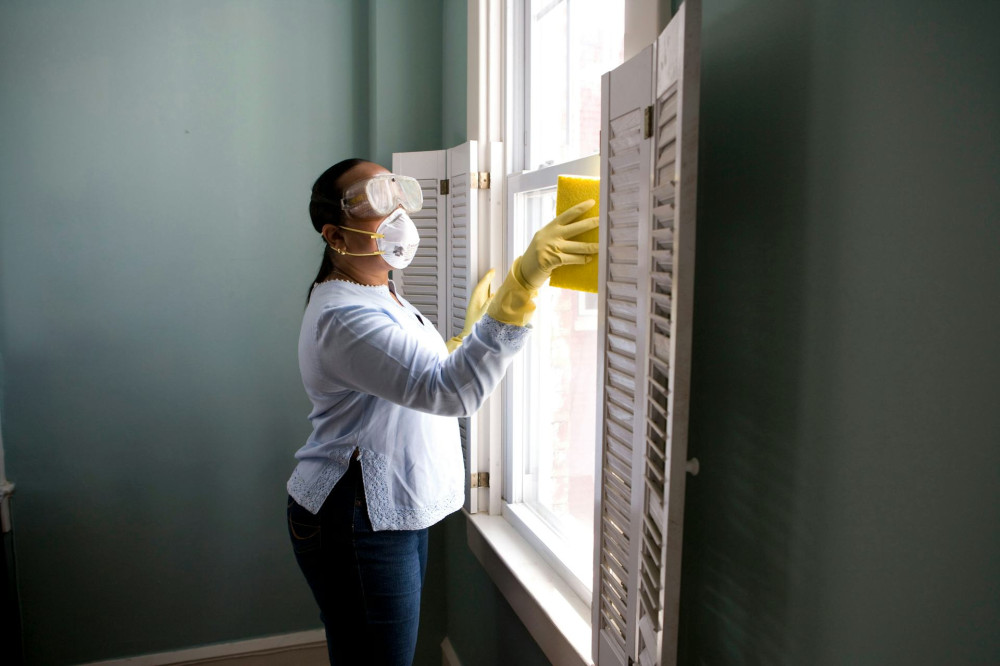
If you discover signs of moisture, act quickly. Identify the source—whether it’s a leaking hose, a faulty seal, or condensation. Shut off the water supply if necessary, dry the area thoroughly, and ventilate the space. If mold is visible, wear gloves and a mask when cleaning.
For larger issues or suspected structural damage, contact a professional. A licensed contractor or mold remediation specialist can assess the extent of the problem and recommend the right repairs. The sooner you respond, the less damage you’ll face—to both your home and your health.
A Small Check with Big Benefits
Taking a few minutes twice a year to check behind your cabinets and appliances can save you thousands in repairs and prevent serious health risks. Moisture often hides where you least expect it, but with a little attention and preventive care, you can keep your home dry, healthy, and comfortable for years to come.
Læs også: